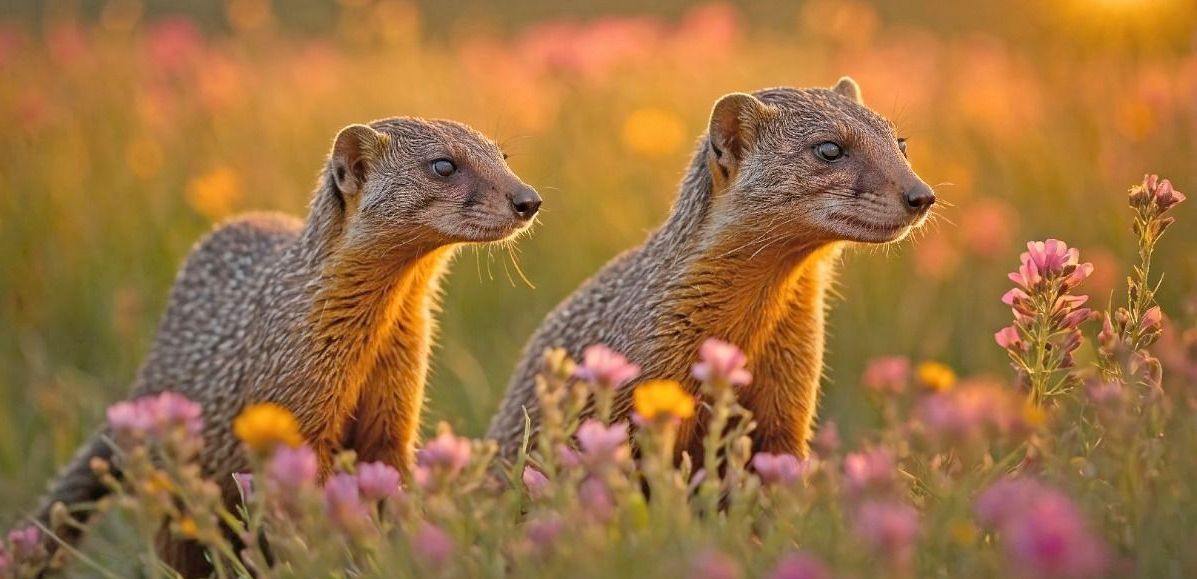
Mongooses (Photo: Aung Mint Myat)
In San folklore and mythology it is the tiny creatures that are revered and admired ― for their wiliness, intelligence, and fast reflexes. Size is of no importance; spirit is everything. South African author Laurens van der Post, who spent years among the San people, wrote that the Bushman imagination is naturally predisposed to seeing infinity in a grain of sand. Which extends to those tiniest of creatures.
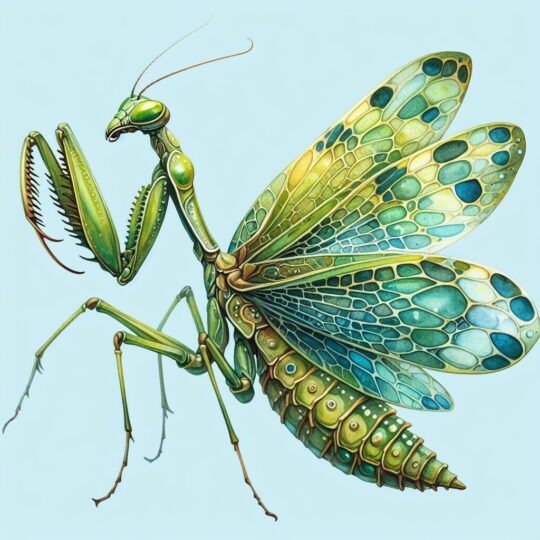
One great example of this is that among many different San clans the creator god is … a Praying Mantis! Known as Cagn or /Kaggen, he is in fact one and the same with Dxui, the First Spirit.
Praying Mantis
Mantis, or /Kaggen, is a humble creature, but with his extraordinarily large faceted eyes, it’s as if he’s capable of extra-sensory perception. He’s intelligent, silly, devious, a trickster ― all at the same time. (The San people also have a sense of humour.)
Other Tiny Creatures
Since the Bushman culture believes that humans and animals are interchangeable and equal, Mantis’s family tree consists mainly of animals and elements of Nature. His wife is a dassie (Kauru); his adopted daughter is Porcupine (!Xo); she is married to Kwammang-a ― who is actually an intangible element of a rainbow (maybe simply a snatch of colour?). Mantis’s sister is Blue Crane.
Mongoose and Meerkat
Finally, among the San’s pantheon of tiny creatures is the gutsy mongoose (and meerkat), known as Ichneumon (he is the son of Porcupine & Kwammang-a). These mongooses stand only around 5 inches high but they are absolutely fearless in the face of snakes, particularly cobras. These creatures have a certain natural resistance to snake venom; their dense coat of fur also acts as protection, a cushion to fangs penetrating and getting venom to the skin.
But most of all, the San revere the small mongoose’s incredible speed and agility. It dodges snake strikes with lightning-fast reflexes, uses feinting movements to distract the snake, looks for opportunities to strike, and so tires the snake out.
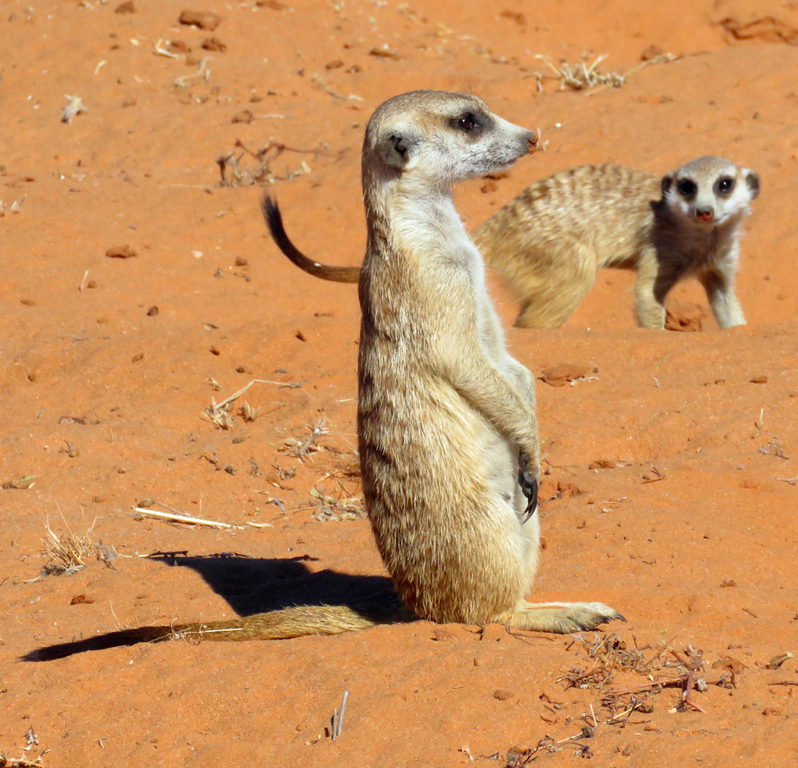

At LEFT, meerkats (Photo: Hirsh Aronowitz); at RIGHT, a mongoose confronting a cobra (Photo: Louise Brutus), both taken in Kgalagadi Transfrontier Park. Both represent Ichneumon, a creature in San folklore.
What I find fascinating is that the name ichneumon comes from the Greek, meaning ‘tracker’. And, even older, is that in Ancient Egypt the ichneumon, also a form of mongoose, has appeared on a scarab together with a sun disk and an ostrich feather. The ichneumon was believed by the Egyptians to be the animal that belonged to the sun god Atum.
A single word travels through time, permeates different languages, is absorbed into disparate and diverse cultures ― this assemblage of letters traverses centuries from earliest recorded time to our modern age and yet remains intact, the single letters keep their sequence. And across all this time and space the word ichneumon still embodies one tiny feisty brave creature!
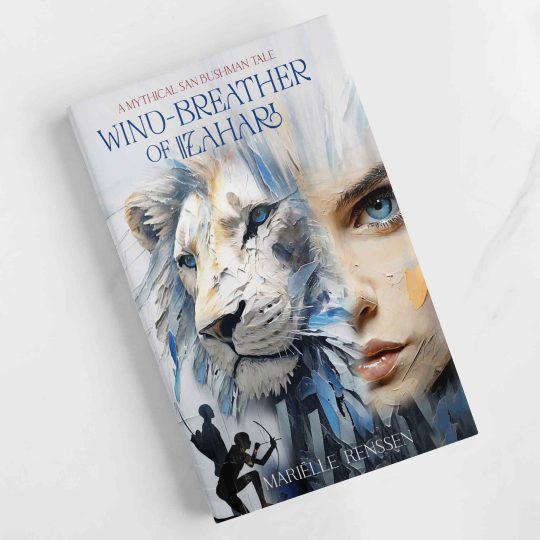
All these creatures appear in my book Wind-breather of ||Zahari. Click here for details.